From Chess to Cricket Betting: Games and Gambling in Irish and Indian History
The history of games and gambling in Ireland and India goes back thousands of years. In both countries, people have always enjoyed games of skill and chance. These games were not just pastimes. They had deep meaning in society, religion and law. Today, these ancient traditions have evolved into modern forms of entertainment. In Ireland, that means horse racing and sports betting. In India, it means cricket betting and fantasy sports.
Ancient India: Games in Sacred Texts
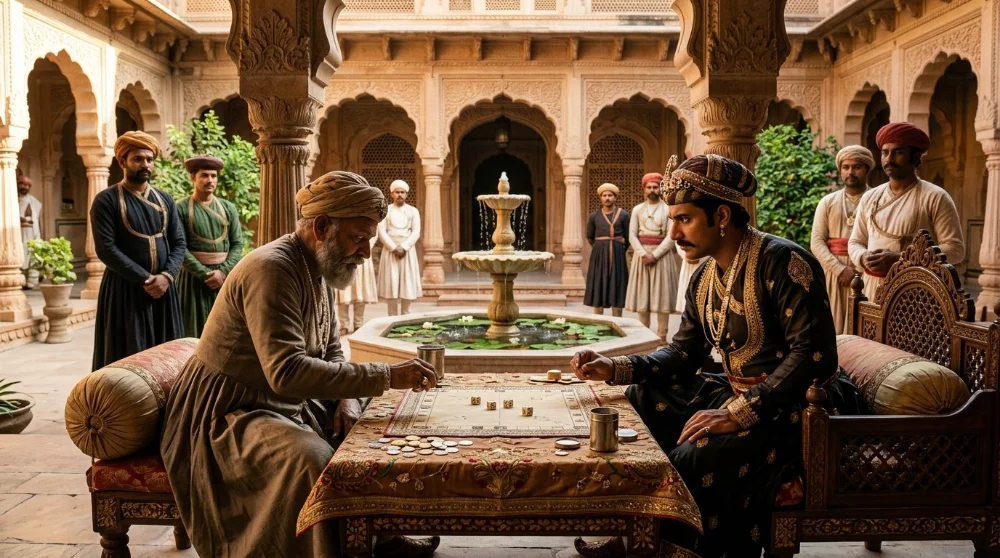
The earliest records of gambling in India come from the Vedas, the oldest sacred texts of Hinduism. They mention a game of dice called “aksha.” This game was very popular. The Mahabharata, an epic poem from around 400 BC, tells a famous story about gambling. In the story, a king named Yudhishthira loses his kingdom, his wealth and even his wife in a game of dice. This story is not just entertainment. It is a moral lesson about the dangers of gambling.
Other ancient texts mention different games. The Manusmriti, an ancient law book, has rules about gambling. It says the king should punish gamblers who cheat. The Arthashastra, a book on statecraft from around 300 BC, even suggests the state should tax gambling houses. This shows that gambling was a recognised activity in ancient India.
Ancient Ireland: Chess and Brehon Law
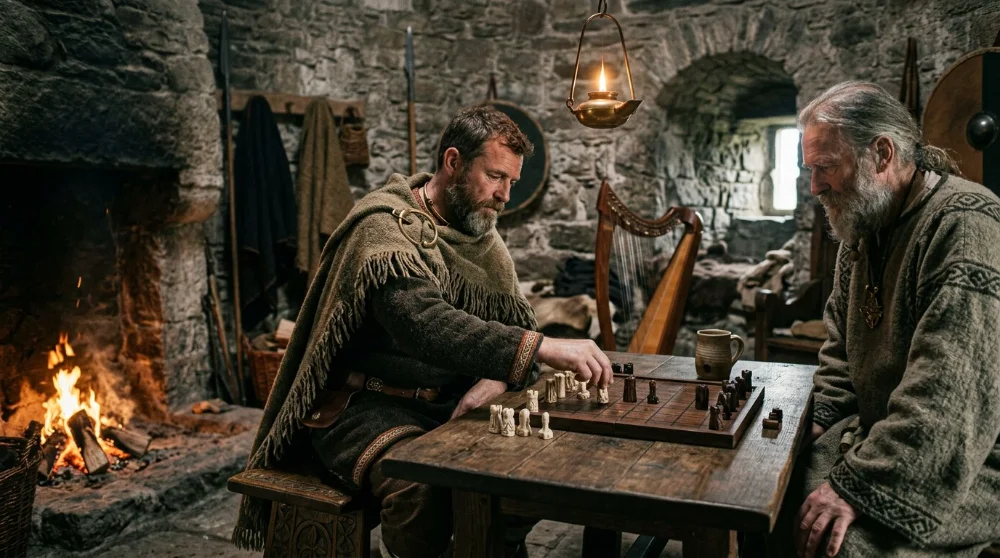
In Ireland, the most important game was chess. Chess came to Ireland in the 6th century. But it was more than just a game. It was a symbol of status and power. Only wealthy men could afford a chess set. The rules of chess were complex, and the game was taken very seriously. According to Irish legends, chess could even be used to settle disputes.
The Brehon laws show us just how important chess was. These were the ancient laws of Ireland, in use until the 17th century. The laws mention chess several times. For example, one law says that a king had to give a chess set to his chief poet. Another law says that a person who stole a chess set had to pay a fine. The laws also mention a tax on chess sets. If you owned a chess board and pieces, you had to pay a tax to the local king or chieftain. This shows that chess was not just a game. It was part of the economy and social structure of ancient Ireland.
Parallels Across the Two Countries
The history of games in Ireland and India shows interesting parallels. In both countries, games were not just for fun. They were tied to social status, law and even religion. Chess in Ireland and dice in India were both seen as games of skill and strategy. They were also seen as mirrors of life. The rules of the game reflected the rules of society.
Both cultures also had strong traditions of games that were considered a test of skill. In India, the game of pachisi, a strategy board game, was played by royalty. In Ireland, fidchell, a game often compared to chess, was played on a board of wood or stone. These games were not left to chance. They required careful thought and planning. This reflects a shared preference for games where intelligence and tactics mattered more than luck.
Modern Traditions: Horse Racing in Ireland, Cricket in India
Today, these ancient traditions have taken new forms. In Ireland, horse racing is now the biggest sport for betting. The Irish are known for their love of horses. Horse racing has been popular in Ireland for centuries. It was even mentioned in the ancient Brehon laws. Today, the Irish Derby and the Galway Races are major events. They attract thousands of people and millions of euros in bets.
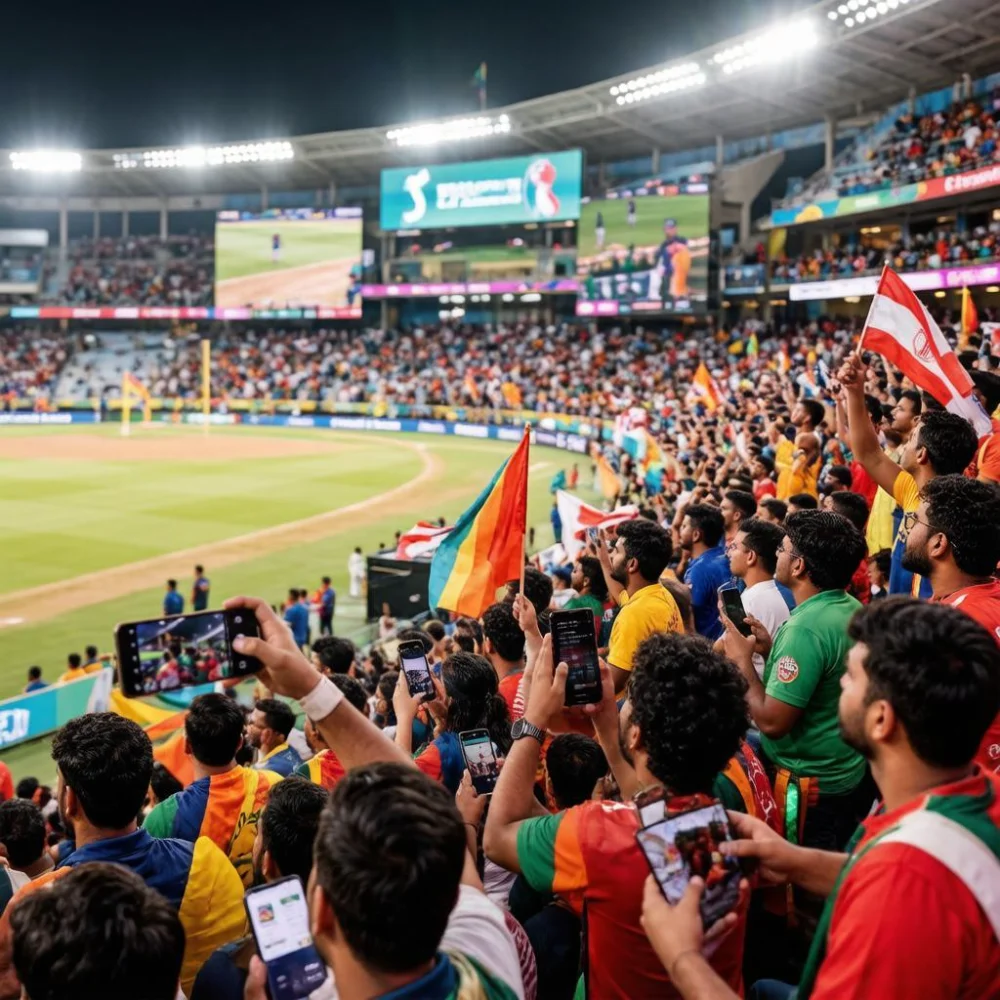
In India, cricket has become the national obsession. Cricket was introduced by the British in the 18th century. But the Indian people have made it their own. The Indian Premier League (IPL) is the world’s most popular cricket league. It is a huge event for betting. Cricket betting has become a massive industry in India. It is estimated that millions of people bet on cricket matches every year. This includes both legal betting and illegal gambling.
A Shared Economic Reality
The transition from ancient games to modern betting has economic implications for both countries. In Ireland, the betting industry is a significant part of the economy. It creates jobs and contributes to the tax base. Many Irish people work in the betting industry, from bookmakers in shops to software developers for online betting platforms.
India is now the world’s largest market for online betting. Industry reports say the value of this market is in the billions of dollars. While Indian law still prohibits most forms of gambling, the rise of fantasy sports apps has created a legal way for people to bet. This is a huge opportunity for businesses in both Ireland and India. Irish companies, with their expertise in technology and regulation, are well placed to partner with Indian companies.
The Future of Games and Betting
The history of games and betting in Ireland and India is long and rich. It is a story of shared values, skills, and the human desire for competition and chance. From the chessboards of ancient Irish kings to the cricket grounds of modern India, the spirit of the game remains alive. Both countries are now at the forefront of the global online betting industry. As the economic partnership between Ireland and India continues to grow, it is clear that this shared passion for games and gambling will play a role in strengthening the ties between the two nations.