Irish and Indian Nationalists: A Shared Fight Against Imperial Gambling Laws
The struggle for independence in Ireland and India was fought on many fronts. It was not just about political freedom. It was also about cultural freedom. It was about the right to govern one’s own society. One area where this struggle played out was in the laws on gambling. Both countries inherited strict gambling laws from the British Empire. These laws were designed to control and restrict the behaviour of local people. After independence, both Ireland and India had to decide what to do with this colonial legacy.
The British Legal Legacy
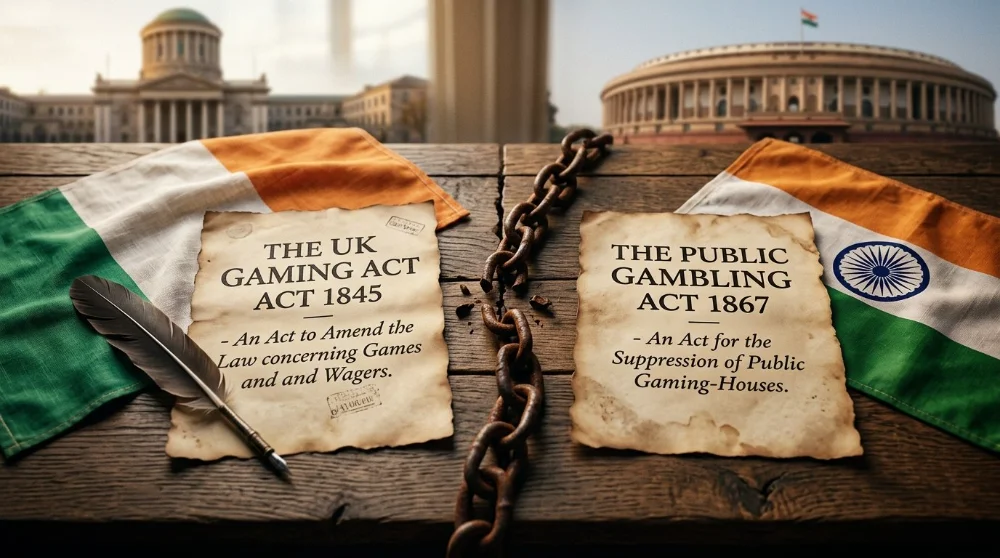
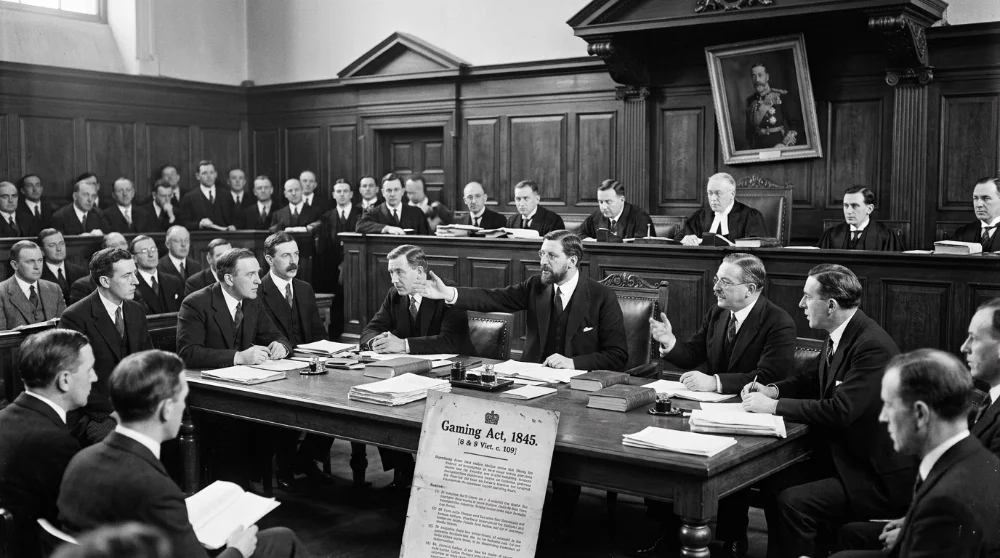
The British Empire used laws to control its colonies. Gambling was seen as a vice. It was associated with disorder and immorality. The British passed strict laws to regulate it. The most famous is the UK Gaming Act 1845. This made all games of chance illegal. The goal was to protect the public from the harm of gambling.
These laws were exported to the colonies. In India, the British introduced the Public Gambling Act of 1867. This law prohibited operating or being in charge of a public gambling house. It did not ban gambling itself. It banned the places where people gathered to gamble. The law also allowed the government to tax gambling. This was a way to control and profit from the activity.
In Ireland, the same legal framework applied. Irish law was based on the UK Gaming Act 1845 and other British statutes. Gambling was heavily restricted. Horse racing was one of the few exceptions. It was seen as a sport, not just a game of chance. The British elite loved horse racing. So they kept it legal.
The Reaction of Nationalists
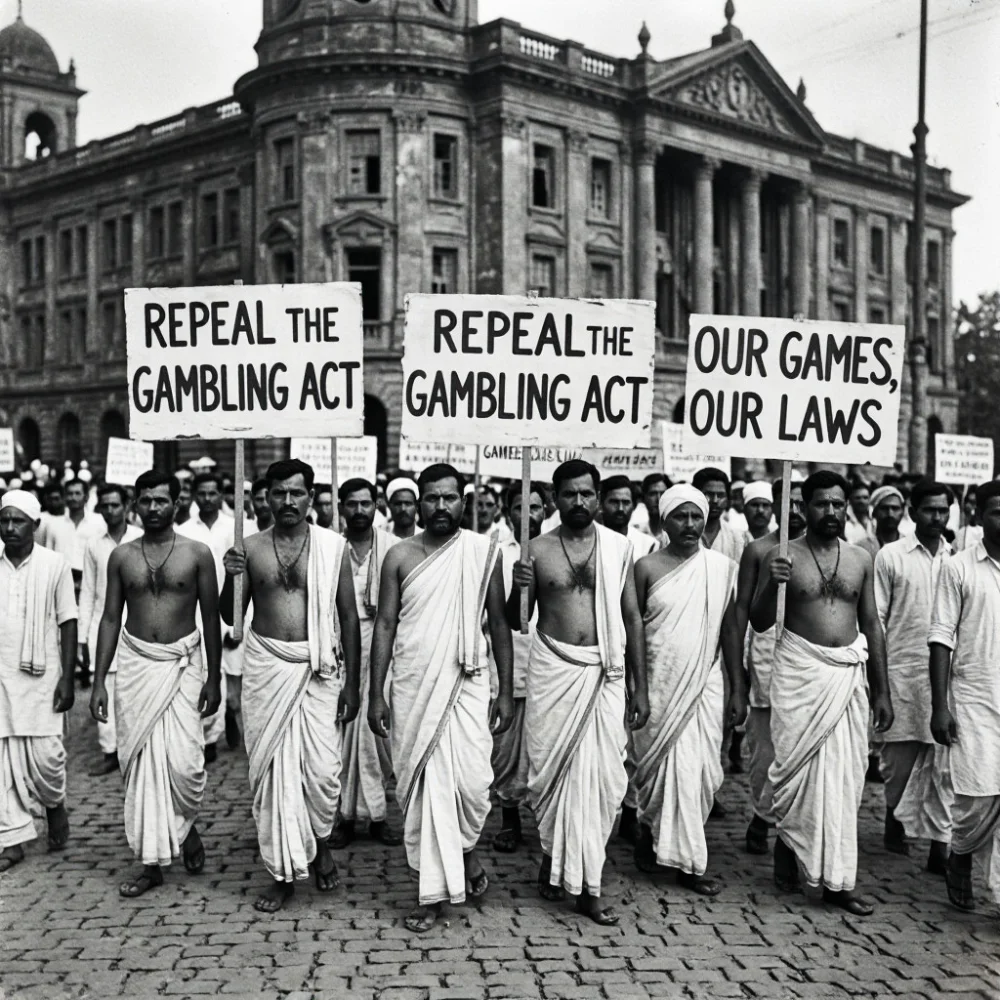
Irish and Indian nationalists saw these laws as symbols of British control. The laws were not just about gambling. They were about who had the power to set the rules. The British did not trust the locals to manage their own affairs. So they imposed strict rules.
Irish nationalists wanted to create their own laws. They saw this as part of the fight for independence. In India, nationalists also wanted to reform the laws. They wanted to show that they were capable of governing themselves.
In Ireland, the campaign to reform gambling laws was part of a broader cultural revival. The GAA, for example, was founded to promote Irish sports and culture. The GAA initially banned betting on its games. This was a way to distinguish itself from British sports like soccer and rugby. The GAA wanted to keep its games pure. It did not want them to be associated with the gambling culture that the British brought.
In India, the movement against British gambling laws was also cultural. Indian nationalists wanted to preserve traditional games like pachisi and chaupar. These were board games that required skill and strategy. They were not seen as degenerate or immoral. The British, on the other hand, saw these games as primitive. They wanted to replace them with British games like cricket.
Different Paths After Independence
After independence, Ireland and India took different paths on gambling regulation. Ireland stayed close to the British model at first. But over time, it created its own system. In 1926, the Irish Free State passed the Betting Act. This gave local authorities the power to license bookmakers. The goal was to control and tax gambling. It was a way to raise revenue for the new state.
Over the years, Ireland continued to reform its gambling laws. The 1963 Betting Act legalized betting shops. This led to a big increase in legal betting. The 2015 Gambling Control Bill created a new regulatory system. It gave the government more power to control online gambling. Today, Ireland has a modern system of gambling regulation. It is a mature market for both domestic and international operators.
India, on the other hand, kept the British law for a long time. The Public Gambling Act of 1867 is still in force in most states. But India’s federal system complicates things. Each state can make its own laws on gambling. This has led to a patchwork of different rules.
Some states, like Goa and Sikkim, have legalized casinos. They see gambling as a way to attract tourism and create jobs. Other states, like Maharashtra, have strict bans. This creates a confusing legal landscape. It is hard for both operators and customers to know what is legal.
The Rise of Fantasy Sports
One area where India has found a way forward is fantasy sports. In 2018, the Supreme Court of India ruled that fantasy sports are a game of skill. This means they are not considered gambling under Indian law. This ruling has led to a boom in fantasy sports. Platforms like Dream11 have become huge businesses. They have millions of users.
This shows that there is a huge demand for legal betting options in India. The law has not stopped people from gambling. It has only pushed them into illegal markets. The success of fantasy sports shows that there is a path forward. With the right legal framework, India could have a modern and regulated betting industry.

Lessons for the Future
The history of gambling laws in Ireland and India shows how colonial legacies can shape modern policy. Ireland chose to reform its laws. It created a clear regulatory system that works for the modern age. This has made Ireland an attractive market for betting companies.
India has struggled to reform its laws. The old British law is still on the books. But the country is finding new ways to adapt. The success of fantasy sports shows that there is a path forward. With the right legal framework, India could modernize its betting industry.
For both countries, the lesson is clear. The best way to control gambling is to regulate it. When you ban it, you just drive it underground. This makes it harder to protect consumers and harder to collect taxes. A modern system of regulation is better for everyone.


